
Why the Afternoon Slump Hits Harder in Perimenopause

What is really happening in your body
In your 40s (and sometimes even in your late 30s), you may start experiencing perimenopause afternoon slump, as your hormones start playing a bigger role than ever. Fluctuating levels of oestrogen and progesterone do not just affect your periods; they influence how your brain manages blood sugar, regulates cortisol (your stress hormone), controls sleep quality, keeps your body temperature in check, and even affects neurotransmitters like dopamine and serotonin that shape your mood and motivation.
So that familiar 2–4 PM energy crash? It is not a sign of laziness or lack of willpower. It is your body’s physiology shifting, a perfectly normal response to the changes happening inside you. Understanding this can be the first step toward navigating your afternoons with more energy and patience for yourself.
Why perimenopause makes the slump worse
This is the loop many women unknowingly live in:
Oestrogen fluctuations and blood sugar instability are one of the key drivers of the perimenopause afternoon slump. Oestrogen plays a crucial role in regulating insulin sensitivity and glucose metabolism. When oestrogen levels swing up and down, your body becomes more prone to reactive hypoglycemia. That high-carb lunch you once handled effortlessly now hits harder, leaving you shaky, foggy, or irritable by mid-afternoon.
Progesterone drops can fragment sleep. Even if you are logging a full eight hours in bed, lower progesterone levels are linked to lighter sleep, more night awakenings, and reduced deep slow-wave sleep. The result? Adenosine, your body’s ‘sleep pressure’ chemical, builds up faster, so by 2 PM you are feeling sluggish, heavy-eyed, or mentally foggy.
Cortisol dysregulation compounds the slump. Research shows that perimenopausal women often experience a flatter daytime cortisol curve, higher stress reactivity, and a sharper afternoon drop. This physiological shift contributes to the classic perimenopause afternoon slump many women report around mid-afternoon. It is your body’s stress-response system signalling that energy is low.
Taken together, these changes show that the 2–4 PM energy crash is not laziness. It is your body responding to real hormonal and metabolic shifts. Understanding these mechanisms can help you make smarter choices about meals, movement, and self-care during those tricky afternoon hours.
Quick fixes – same day rescue plan
The good news? There is a quick fix. A 10-minute reset can dramatically change how your afternoon unfolds.
Best option – choose one:
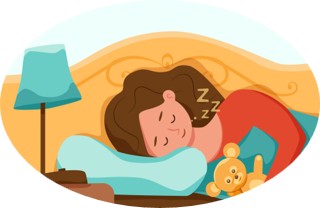
- 10–20 minute nap (before 3 PM)
- Yoga Nidra / NSDR (non-sleep deep rest) – follow the link for practice
- Legs-up-the-wall breathing
Why it works
Short naps (10–20 minutes) improve alertness and executive function without triggering sleep inertia, according to controlled sleep studies. Brief daytime rest reduces accumulated adenosine, the neurochemical responsible for sleep pressure, helping restore mental clarity.
Non-sleep deep rest practices (like Yoga Nidra) activate the parasympathetic nervous system, reducing sympathetic stress load. Research shows that slow breathing and relaxation techniques lower cortisol and improve prefrontal cortex function, the area of the brain responsible for decision-making, focus, and impulse control.
Legs-up-the-wall breathing improves venous return and vagal tone, shifting the nervous system out of stress mode and reducing the ‘wired-but-tired’ rebound many women feel mid-afternoon.
The 5–10 minute movement burst
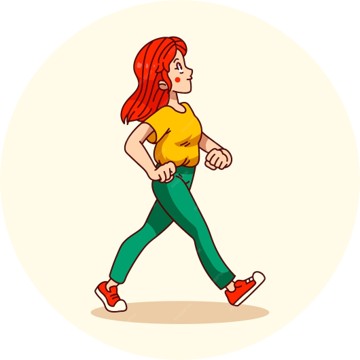
- Brisk outdoor walk
- Stair climbs
- Bodyweight squats
Why it works
Even short bouts of movement improve insulin sensitivity and glucose uptake in skeletal muscle, meaning your blood sugar stabilises faster after meals. Exercise also increases dopamine and norepinephrine, enhancing motivation and mental sharpness.
A brisk walk outdoors adds another benefit: natural light exposure reinforces circadian rhythm signalling, which supports more stable cortisol patterns and better sleep that night.
The blood sugar stabiliser snack
If lunch was carb-heavy, a small stabilising snack can prevent the crash-and-crave cycle.
Avoid
- Cookies
- Crackers
- Pastries
- Sugary coffee drinks
Better Choices
- Greek yogurt + nuts
- Apple + almond butter
- Protein smoothie
- Cottage cheese + berries
The goal: protein + fibre + fat.
Protein stimulates satiety hormones and slows gastric emptying. Fibre reduces glucose spikes. Fat stabilises energy release. Together, they prevent reactive hypoglycemia, which is especially common when oestrogen fluctuates.
The sunlight + cold reset

- Step outside for 2–5 minutes.
- Splash cool water on your face or wrists.
Why it works
Brief cold exposure stimulates the locus coeruleus, increasing norepinephrine — a neurotransmitter linked to alertness. Light exposure activates retinal pathways that signal wakefulness to the brain’s circadian centres. Even short exposure can increase alertness and improve mood.
It is simple, but neurologically powerful.
The smart caffeine strategy
Instead of a large coffee at 3 PM (which often worsens that night’s sleep), try:

- 50–100 mg caffeine around 1:30 PM
- Green tea works beautifully (L-theanine smooths the stimulant effect)
Avoid caffeine after 3 PM to protect deep sleep. Research consistently shows that even afternoon caffeine can reduce slow-wave sleep and delay melatonin release, compounding the next day’s slump.
The long-term fixes
Quick resets are helpful. But if the perimenopause afternoon slump is happening daily, it is usually a signal that your nervous system, metabolism, or sleep architecture needs deeper support.
Here is where the real long-term shift happens.
Blood sugar first
One of the most consistent findings in metabolic research is that protein intake improves glycaemic control and reduces post-meal glucose spikes. Fibre slows gastric emptying and blunts glucose absorption. Resistance training improves insulin sensitivity independent of weight loss.
When oestrogen fluctuates, your tolerance for high-glycaemic meals often drops. So instead of chasing the crash later, build stability earlier in the day.
Goal: Protein + Fibre + Fat at every meal.
- 25–35g protein at breakfast
- Add fibre (vegetables, seeds, legumes)
- Include healthy fats
- Avoid refined carbs eaten alone
Studies on post-prandial glucose control consistently show that balanced macronutrient meals improve energy stability and reduce reactive hypoglycaemia.
Prioritise strength training (this is non-negotiable)
Muscle is your largest glucose disposal organ. The more metabolically active muscle you maintain, the better your body handles blood sugar.
Multiple peer-reviewed trials show that resistance training improves insulin sensitivity, increases GLUT4 expression (the transporter that pulls glucose into muscle cells), and enhances mitochondrial function.
During perimenopause, lean muscle mass naturally declines unless actively maintained. That decline alone can worsen mid-afternoon fatigue.
Aim for:

- 2–4 strength sessions per week
- Compound movements (squats, presses, rows)
- Progressive overload
This is not about aesthetics. It is metabolic resilience.
Protect deep sleep
Perimenopause is associated with reductions in slow-wave (deep) sleep and increased night waking. Deep sleep is when growth hormone is released, glucose regulation resets, and cortisol is properly modulated for the next day.
If sleep is fragmented, the 2 PM slump becomes almost inevitable.
Sleep-protective habits:
- Consistent sleep/wake timing
- Morning light exposure
- Limiting caffeine after early afternoon
- Reducing evening alcohol
- Cooler bedroom temperature
Even modest improvements in sleep quality can restore daytime alertness and improve glycaemic control.
Regulate the stress response (not just ‘reduce stress’)
Research shows that midlife women often experience altered cortisol rhythms and greater stress sensitivity. Chronic stress flattens the diurnal cortisol curve, which is strongly linked to fatigue.
This does not mean ‘avoid stress.’ It means train recovery.
Evidence-supported tools:
- Slow breathing (shown to improve vagal tone)
- Mindfulness-based stress reduction
- Regular aerobic activity
- Social connection
Even 5–10 minutes of daily parasympathetic activation can gradually recalibrate stress reactivity.
Anchor your circadian rhythm
Morning sunlight is not just a feel-good habit. It sets your body’s internal clock. Light hitting your eyes signals the brain’s master clock, boosting the morning cortisol peak and helping you feel alert while preventing a steep afternoon crash. Daytime movement works in a similar way: even short activity improves insulin sensitivity, stabilizes blood sugar, and reinforces your circadian rhythm, telling your body it’s daytime and time to stay alert.
Late-night meals, especially heavy or carb-rich ones, can disrupt this balance. Your body becomes naturally more insulin resistant in the evening, which can spike glucose, reduce deep sleep, and throw off cortisol the next day, making the afternoon slump more likely.
The takeaway? Morning light, movement, and earlier dinners are not just wellness tips, they strengthen your biological clock and help protect steady energy throughout the day. Consistency beats intensity.
Perimenopause asks you to stop overriding your body and start listening to it. That perimenopause afternoon slump is not a personal flaw or a motivation problem. It is feedback. It is your nervous system, your hormones, and your metabolism adjusting to a new internal landscape. When you respond with steadier meals, stronger muscles, deeper sleep, smarter caffeine timing, and intentional recovery, you are not just fixing an afternoon crash. You are building long-term resilience. And that shift matters. Because this season is not about pushing harder. It is about working with your physiology instead of against it. When you do, the energy does not just return in the afternoon. It becomes steadier, calmer, and far more sustainable.
Check out the article on the impact of walking during perimenopause: https://vitalityher.com/the-impact-of-walking-during-perimenopause/
Leave a Reply